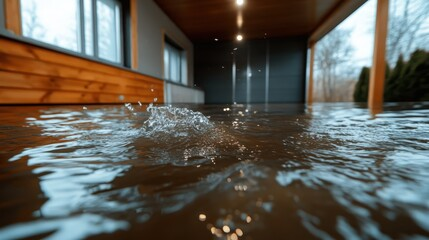
Water damage can occur in a wide range of situations, from burst pipes to natural disasters. When the situation arises, it’s essential to know what steps need to be taken to prevent long-term damage and structural deterioration.
Water mitigation and water restoration services are crucial for residential and commercial properties. However, it’s important to understand the difference between these two specialized services. Contact Flooding in Colorado Springs for more information.
Mitigation
Water mitigation is the first step in the disaster recovery process. It involves stopping the flow of water, removing standing water, and taking other immediate measures to prevent further damage like mold growth.
Professionals use powerful pumps and vacuums to remove as much water as possible, which helps minimize structural damage. Moreover, they dry the affected areas using fans and dehumidifiers. These methods help reduce the risk of future problems and save the property owner a lot of money in the long run.
Aside from preventing mold growth, water mitigation also aims to limit further damage by minimizing warping, rotting, and other structural issues. It is also a key step in ensuring the safety and security of the property’s occupants. By stopping the flow of water, removing any materials that have been saturated, and drying the area, mitigation services can also help prevent other health hazards like respiratory problems and infections.
Water damage can be caused by a variety of reasons, including leaky pipes, severe weather, and even sewer backups. If left unchecked, the situation can escalate quickly and lead to costly repairs. That’s why it is crucial to work with a full-service restoration company that offers both water mitigation and restoration.
The first step in water damage mitigation is to stop the flow of water, which may include locating and fixing the source. If the problem is too large, professionals may need to use more drastic measures such as covering up damaged areas with tarps and boarding up windows.
While the initial costs of water mitigation might be off-putting to many homeowners, the cost of ignoring or doing it yourself will be much higher in the long run. Moreover, working with a restoration company that offers both water mitigation and restoration ensures that you get the best results from the entire recovery process. In addition, working with an insurance provider like Openly that specializes in water damage coverage can help you confidently address the issue and get back on your feet.
Preparation
When water damage occurs, time is critical. Even a few hours can lead to serious issues like mold growth, structural damage, and health hazards. Water mitigation is the first step in the process, minimizing and preventing damage after an incident. This is done by stopping the flow of water, drying affected areas, and protecting property from further harm.
The mitigation process begins with a thorough inspection of the affected area. This helps professionals identify potential problems and ensure the safety of occupants. It also helps them plan the best solution. They may use moisture meters to check the levels of water in building materials, and thermal imaging tools to detect hidden leaks. After identifying problem areas, they’ll stop the flow of water and extract any standing water using industrial-grade pumps and vacuums. Next, they’ll dry out the space and protect it from further damage with high-powered fans and dehumidifiers.
This is particularly important if the water was contaminated, such as from a sewer backup or flood. In this case, all personal belongings that have been soaked in raw sewage must be removed and discarded. Professionals may also apply protective barriers and board up windows to prevent further damage to the property.
During this phase, water restoration specialists are able to assess the level of damage to the property and determine whether it is salvageable. They’ll also create a timeline to get your home or business back to normal. If you’re facing a water disaster, it’s important to hire the right team to restore your property as quickly and efficiently as possible.
You can take steps to prevent future water damage by having your gutters inspected quarterly, checking pipes regularly, and installing moisture sensors near appliances. Also, make sure to drain and clean out your hot water heater annually. This will help avoid costly repairs in the future. By taking these precautions, you can minimize the risk of costly repairs and restoration. However, if you do experience a water disaster, contact United Water Restoration Long Island to mitigate the damage and restore your property.
Remediation
Water damage can be costly, especially if it leads to mold development. Mold can cause serious health issues, so it is important to address any water damage as quickly as possible. If you’re experiencing a water disaster, hiring a full-service IICRC restoration company like Openly can help. These experts can assess the damage, recommend the appropriate mitigation techniques and handle the insurance claim process for you.
The first step of any water remediation project is to remove the excess moisture. This is done using a variety of tools including pumps, extractors, dehumidifiers and air scrubbers. The team will also do their best to salvage as many items as they can, such as drywall, carpets and furniture. This is because the longer these items remain wet, the more damage they can sustain and the more difficult it will be to restore them later on.
Once the excess moisture is removed, the team will then start to dry out the affected areas. This is a vital part of the process and can take several days to complete. The team will use air movers and air scrubbers to help speed up the drying time. The goal is to get the affected area as dry as possible, preventing structural damage and other problems such as mildew growth.
The final step of mitigation is to clean up any unsalvageable items. This is typically the most time-consuming part of the entire project and can involve scrubbing walls, cleaning floors and disinfecting areas. The team will also check for any underlying issues such as submerged electric cables which can be dangerous to touch.
Once the mitigation process is complete, the repairs can begin. This is the phase that will restore the home to its pre-loss condition. This can include things like sanitizing, antimicrobial application, replacing flooring and patching drywall. Water damage is one of the most common homeowners’ insurance claims, but by taking proactive prevention measures and working with a trusted restoration expert, you can minimize your losses.
Restoration
Whether due to a burst pipe or a heavy rainstorm, water damage is no picnic. It can be incredibly difficult to remove and may require professional help from an experienced water restoration company. While the initial costs of this type of service can be off-putting, the long-term cost of ignoring or trying to tackle the problem on your own could be even more costly.
That’s why it’s important to take proactive measures to protect your property before the experts arrive at the scene. Identifying the source of the water, shutting off the water supply (if possible), and identifying safe evacuation routes or meeting points for family members in case you are forced to leave are all crucial first steps before calling in the professionals.
Once the team arrives at your home or business, they will perform water testing to identify the amount of moisture present and determine which areas need immediate attention and which may be more complex to dry. The longer moisture remains, the more it seeps into and damages underlying materials such as walls, flooring, and insulation. This can lead to mold growth, structural issues, and potential health hazards for your family or employees.
The next step is a thorough inspection and assessment of the damage to find the best solution. This includes determining which area of the property needs remediation and which may need to be replaced altogether. The team will also provide recommendations for temporary solutions such as covering holes with tarps or boarding up windows, which will help to prevent further water damage until the restoration process can be completed.
While water mitigation is all about taking immediate action, remediation is a process designed to clean and restore properties to their pre-loss condition. It involves a wide range of procedures such as sanitization, antimicrobial treatment, and cleaning or reinstalling carpeting and floors.
Depending on the situation, your water restoration company may offer a complete package of services including both mitigation and restoration. Having a full-service water restoration company on your side can speed up the entire process and ensure that any claims are handled efficiently and accurately. Choosing a company with experience working with insurance providers can also help to make the process much smoother for you and your family or employees.